

🌿 Ruzu Non-Alcoholic Herbal Bitters
Ruzu Non-Alcoholic Herbal Bitters is a natural health supplement specially formulated to:
- ✅ Promote general wellness
- ✅ Detoxify the body
- ✅ Support the treatment of various ailments
Made from a powerful blend of 100% organic and medicinal herbs, Ruzu is completely alcohol-free, making it ideal for:
- 👪 All age groups
- 🌱 Health-conscious individuals
- 🌿 Anyone seeking non-alcoholic herbal remedies
Whether you're looking to boost your vitality, cleanse your system, or support healing the natural way, Ruzu Bitters offers a trusted herbal solution.
The Nasarawa State Government says it will intensify public education and enforcement against construction on waterways and other practices contributing to flooding in Lafia, the state capital.
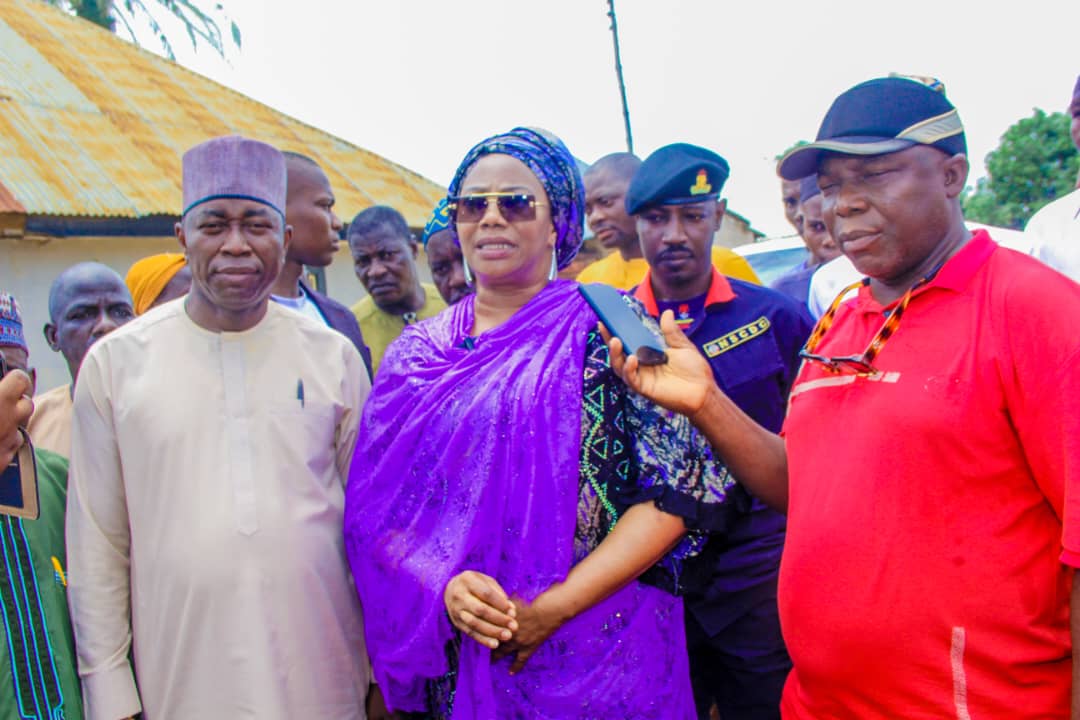
The State Commissioner for Environment and Natural Resources, Dr. Margaret Elayo, stated this during a joint inspection of flood-affected areas by officials of the ministry, technical engineers and a delegation from the World Bank-backed Agro-Climatic Resilience in Semi-Arid Landscapes (ACRESAL) project.
Elayo said “the government would continue to engage communities on environmentally harmful practices, particularly construction along natural drainage channels and waterways.”
She identified poor urban planning, inadequate drainage and indiscriminate dumping of refuse as major factors contributing to recent flooding in the state capital.
According to her, “unauthorised construction along natural drainage lines had led to the loss of ponds and open spaces that previously helped retain excess water, while refuse dumped into public drainage channels caused blockages.”
“We must speak the truth about what is happening in our communities, particularly regarding construction on waterways,” Elayo said.
Read Also: FCT Minister Orders Crackdown on Car Lots Operating in Green Areas
The inspection team assessed damage caused by heavy rainfall that submerged several homes across four locations in Lafia.
To address the problem, the commissioner said the government would strengthen enforcement against illegal structures on waterways, intensify public awareness on proper waste disposal and work with relevant agencies to improve drainage systems and restore natural water channels.
She added that communities would be encouraged to take greater responsibility for keeping drainage channels clear and avoiding activities that obstruct the natural flow of water.
Also speaking, the State Project Coordinator of ACRESAL, Dr. Napoleon Gyobe, highlighted what he described as “widespread non-compliance among residents.”
Gyobe said some residents continued to build structures along hazardous pathways despite receiving compensation.
He said sustained community engagement, alongside technical interventions, improved drainage infrastructure and stricter enforcement, would be necessary to reduce future flood risks across affected areas.