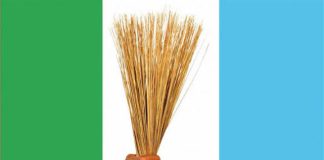
🌿 Ruzu Non-Alcoholic Herbal Bitters
Ruzu Non-Alcoholic Herbal Bitters is a natural health supplement specially formulated to:
- ✅ Promote general wellness
- ✅ Detoxify the body
- ✅ Support the treatment of various ailments
Made from a powerful blend of 100% organic and medicinal herbs, Ruzu is completely alcohol-free, making it ideal for:
- 👪 All age groups
- 🌱 Health-conscious individuals
- 🌿 Anyone seeking non-alcoholic herbal remedies
Whether you're looking to boost your vitality, cleanse your system, or support healing the natural way, Ruzu Bitters offers a trusted herbal solution.
The Nigerian Independent System Operator (NISO) has called for increased collaboration among the stakeholders of the Nigerian Electricity Supply Industry (NESI) to enhance the stability, reliability and resilience of the country’s electricity grid.
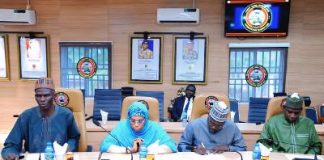
The call was made by Abdu Bello Mohammed, the Managing Director and Chief Executive Officer of NISO in his opening remarks at a two-day workshop on “Strengthening Grid Stability: A Collaborative Workshop for NESI Stakeholders” in Jebba Power Station.
“The power system continues to operate under complex conditions including generation and transmission constraints, changing demand patterns, frequency excursions and voltage-security challenges,” Mohammed said.
Sudden generation or load losses, inaccurate forecasting and scheduling, faults, inadequate system inertia and the response of generating units during system events can cause frequency disturbances, he said.
“We need accurate operational information, sufficient frequency and voltage control resources, efficient reserve management and strict adherence to the Grid Code to maintain stability of the electric power grid,” said the head of NISO.
Mohammed also stressed the need for improved coordination between NISO, the Transmission Company of Nigeria (TCN), Generation Companies (GenCos), Distribution Companies (DisCos), the Nigerian Electricity Regulatory Commission (NERC), policymakers and other stakeholders in the industry.
“System planning will become more and more important as Nigeria develops new generation projects, transmission infrastructure and other greenfield investments,” said Mohammed.
He said successful integration of such projects would require careful assessment of transmission capacity, system strength, operational flexibility, reserve requirements and future electricity demand.
“The workshop was expected to yield practical measures including enhanced frequency and voltage control, greater coordination in system disturbances and better alignment between immediate operational needs and long-term grid expansion plans,” NISO chief said.
He reiterated NISO’s commitment to ensuring a stable, resilient and responsive electricity grid that would support Nigeria’s economic growth and development.