
🌿 Ruzu Non-Alcoholic Herbal Bitters
Ruzu Non-Alcoholic Herbal Bitters is a natural health supplement specially formulated to:
- ✅ Promote general wellness
- ✅ Detoxify the body
- ✅ Support the treatment of various ailments
Made from a powerful blend of 100% organic and medicinal herbs, Ruzu is completely alcohol-free, making it ideal for:
- 👪 All age groups
- 🌱 Health-conscious individuals
- 🌿 Anyone seeking non-alcoholic herbal remedies
Whether you're looking to boost your vitality, cleanse your system, or support healing the natural way, Ruzu Bitters offers a trusted herbal solution.
Leather Entrepreneur Ezenachukwu Victoria Bags Award of Excellence for Craftsmanship,Youth Empowerment
By Naomi Onome
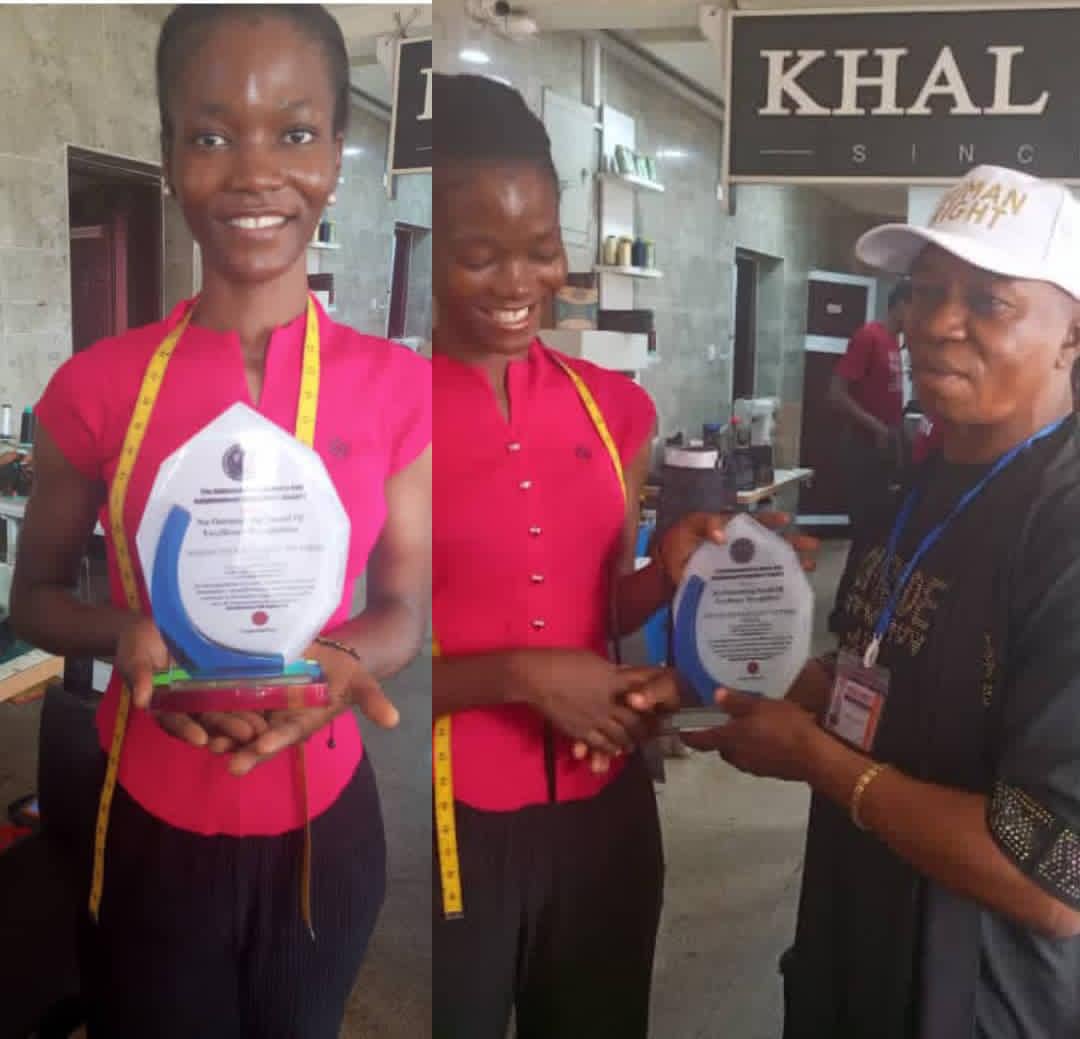
Ezenachukwu Victoria Nonye, founder and Chief Executive Officer of Khal Designs, a Nigerian leather goods enterprise specialising in handmade footwear and other leather products, has been honoured with an Outstanding Award of Excellence by the Ambassadors for Peace and Enlightenment Foundation (AMPEF) in recognition of her contributions to craftsmanship, youth empowerment, and the promotion of locally made products.
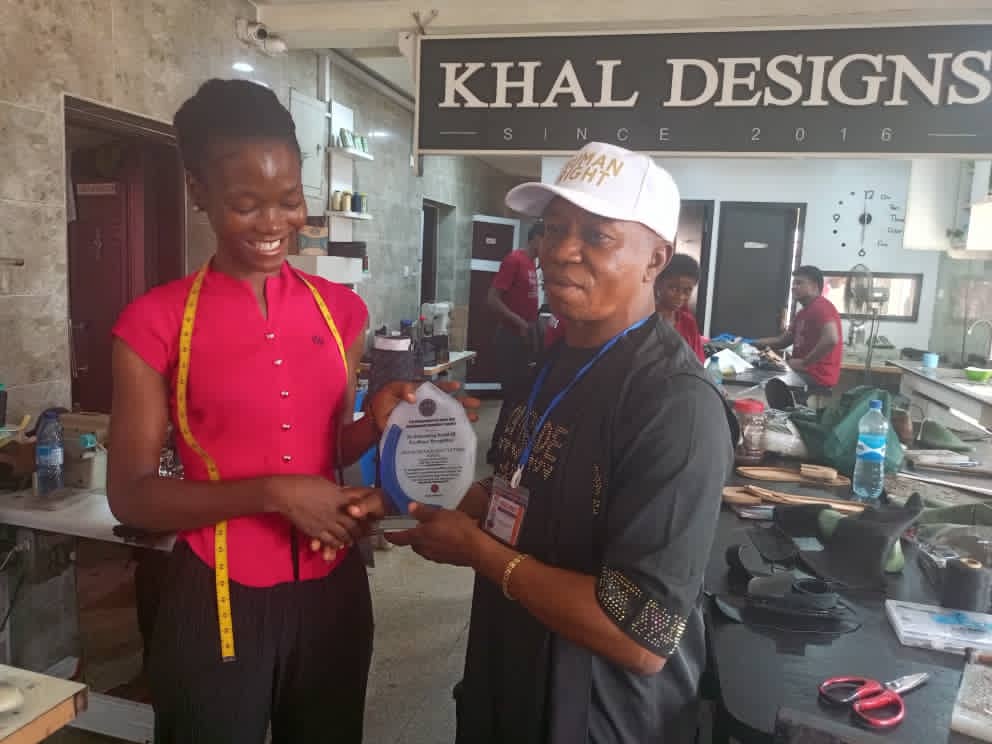
The award, presented on August 13, 2026, recognised Nonye for her “selfless service to humanity, steadfastness and impact” in the production of natural and locally inspired bags and shoes that meet international standards. She described the recognition as particularly meaningful because it was conferred without any financial requirement, recalling that another organisation had previously requested N230,000 before issuing an award.
“An award of excellence should never be paid for. It should be given to those who are deserving,” she said.
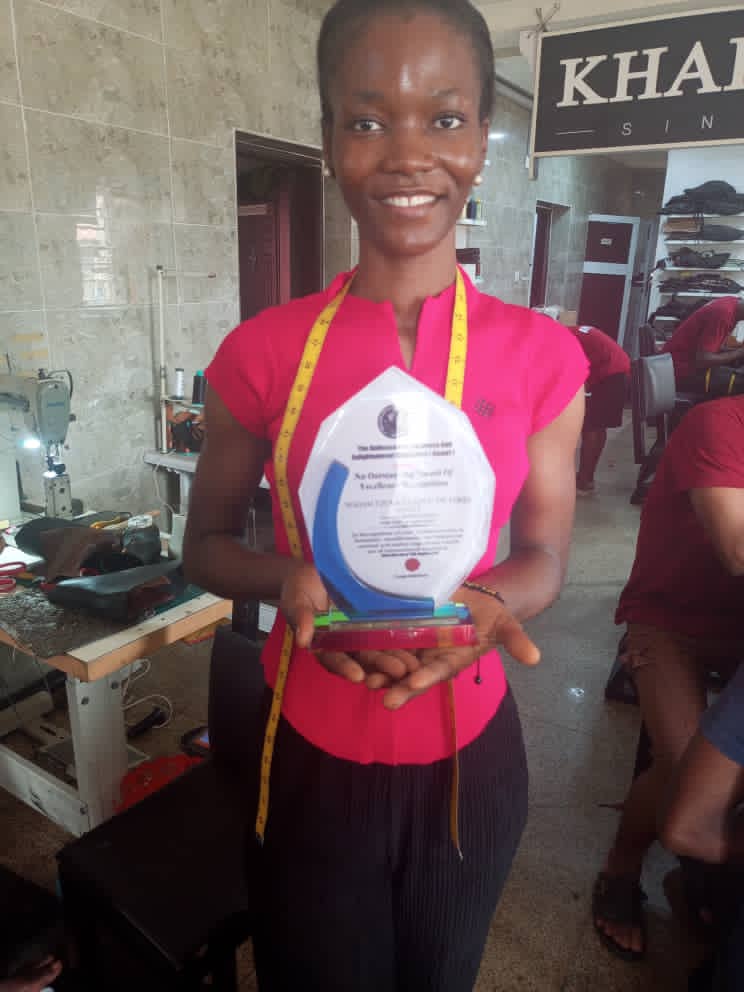
According to Nonye, Khal Designs was established in 2016, though her journey into leather craftsmanship began in 2015 when she participated in an Ankara craft programme organised through her church. She emerged as the best student in her cohort and subsequently worked with her trainer. During the programme, she said learned how to refurbish old footwear by covering them with Ankara fabric before advancing to training in shoemaking from scratch.
When an academic strike disrupted activities at her university, she returned home and used the period to further develop her skills. Upon resuming school, she began experimenting with her craft and eventually set up a small roadside stall, which later evolved into Khal Designs, she said.
A graduate of the Federal University of Technology, Owerri, Imo State, where she studied Crop Science and Technology, Nonye disclosed that she chose to pursue entrepreneurship rather than a career aligned with her academic background, building a livelihood around her passion for leather craftsmanship.
Khal Designs now produces men’s shoes, slides, slippers, sandals, belts, and wallets, and has gradually expanded its customer base. Nonye noted that the business experienced slow growth in its early years, with significant patronage beginning around 2024.
“When I started, growth was very gradual and slow, but I remained consistent,” she said, emphasising that persistence has been critical to the survival and expansion of the business.
Beyond production, Nonye told Naomisophyblog that she has prioritised youth empowerment, training more than 500 individuals through government-sponsored programmes, private sessions, and online platforms. She explained that she has served as a trainer in two government empowerment initiatives, in addition to mentoring individuals at her workshop and through digital channels.
Some of her trainees are now employees of Khal Designs, while others have established independent businesses within the leather industry. “I can trace some of the people I have trained and see how well they are doing. I also make it a point to follow up on their progress,” she said.
Despite the progress of her business, Nonye identified inadequate access to finance as a major challenge facing leather entrepreneurs. She explained that producing quality footwear requires specialised tools and machinery, many of which are costly and difficult for small businesses to acquire.
She also highlighted the challenge of sourcing quality leather and raw materials, noting that limited availability often restricts her ability to scale certain designs. “If I get a design, I may only be able to produce five or six pairs, and once that design is out in the market, I may not be able to recreate it again,” she explained.
Nonye called on the Nigerian government to strengthen support for young entrepreneurs and local manufacturers, arguing that investment in small businesses and domestic production would significantly boost economic growth and job creation. She specifically urged improved access to machinery and locally sourced raw materials.
She noted that although Nigeria has abundant leather resources, local manufacturers often struggle to access them due to competition from foreign buyers offering higher prices. “We have leather in this country, but there are no effective policies that help us secure it. As a Nigerian, I cannot easily access leather produced in my own country,” she said, advocating for policies that prioritise local manufacturers.
The entrepreneur also highlighted the high cost of powering her operations, noting that unreliable electricity supply has forced her to rely on alternative energy sources, including generators and solar power.
“As you can see, my generator is running. And because there is no sunlight, I also rely on solar. I am running on both solar and fuel,” she said.
She explained that, the cost of alternative energy significantly increases production expenses and limits the competitiveness of small businesses. She therefore appealed for improved access to affordable and reliable electricity, as well as better support for production inputs.
Addressing young Nigerians interested in entrepreneurship but yet to identify their niche, Nonye encouraged them to discover their passion, seek proper training, and commit to mastering their chosen craft. She noted that vocational skills are often undervalued despite their economic potential, stressing that excellence naturally attracts opportunities.
“What is worth doing is worth doing well. When you are good at what you do, the market will find you, no matter where you are,” she said, advising aspiring leather artisans to learn from reputable trainers rather than rushing into the trade without adequate preparation.
For Nonye, her journey from an Ankara craft trainee to the founder of a growing leather enterprise reflects the potential of vocational skills to create sustainable opportunities for young Nigerians.
“There is always light at the end of the tunnel. I am a living witness,” she said, adding that perseverance, continuous learning, and dedication have helped her overcome early challenges.
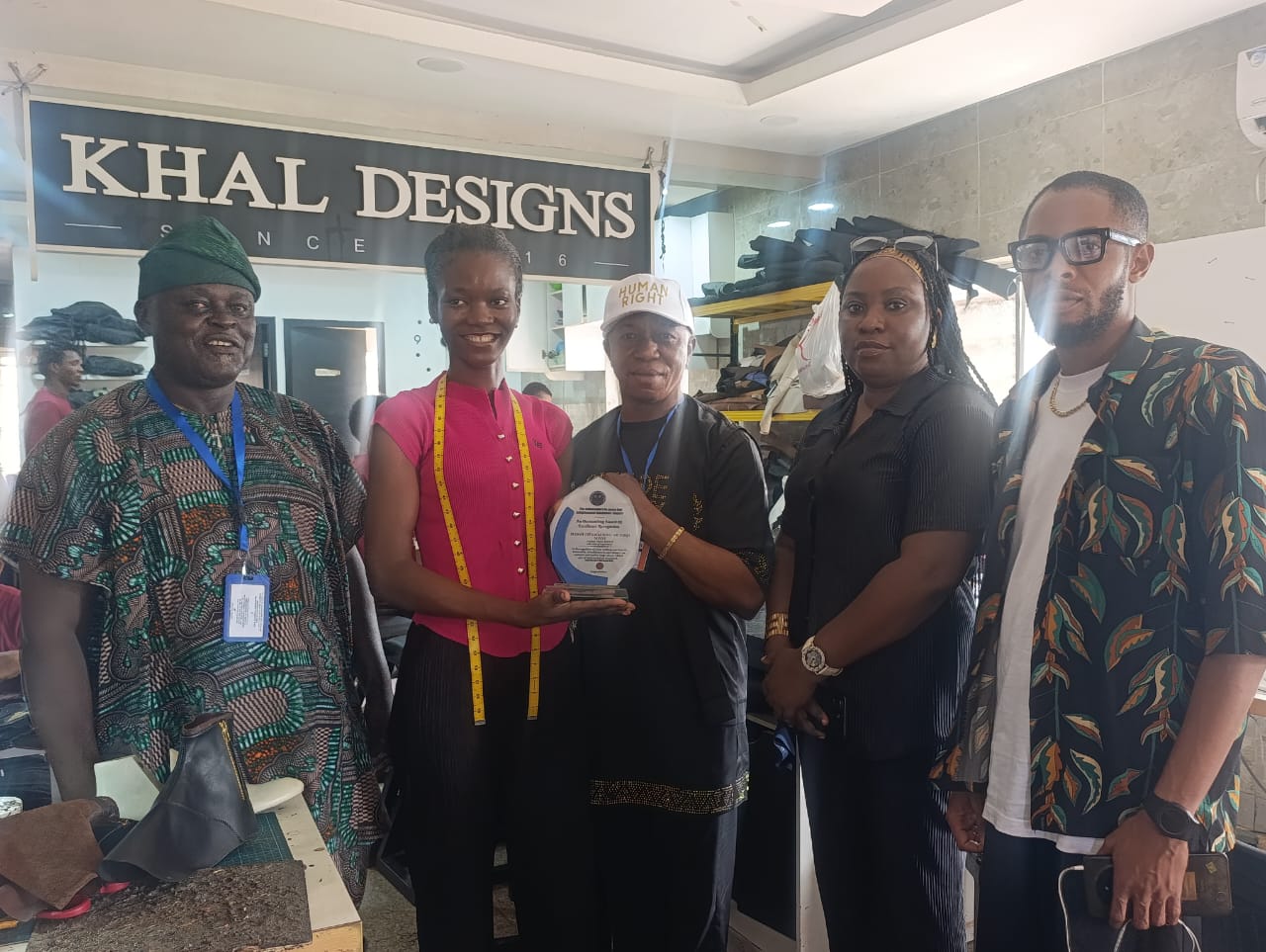
Nonye expressed gratitude to God, her supporters, and AMPEF for the recognition, describing the award as an affirmation of years of hard work, resilience, and commitment to her craft.
With Khal Designs serving a growing clientele and having trained more than 500 individuals, she said the recognition has strengthened her resolve to continue expanding the business, mentoring young people, and promoting locally made Nigerian leather products.
“I am grateful to God for the strength and grace to have come this far. I am also grateful to AMPEF Group for recognising my efforts through this award,” she said.