🌿 Ruzu Non-Alcoholic Herbal Bitters
Ruzu Non-Alcoholic Herbal Bitters is a natural health supplement specially formulated to:
- ✅ Promote general wellness
- ✅ Detoxify the body
- ✅ Support the treatment of various ailments
Made from a powerful blend of 100% organic and medicinal herbs, Ruzu is completely alcohol-free, making it ideal for:
- 👪 All age groups
- 🌱 Health-conscious individuals
- 🌿 Anyone seeking non-alcoholic herbal remedies
Whether you're looking to boost your vitality, cleanse your system, or support healing the natural way, Ruzu Bitters offers a trusted herbal solution.
“Never Ignore Restorable Blindness”: Eye Bank Unveils Joke Silva as Ambassador, Seeks More Cornea Donor
By Naomi Onome
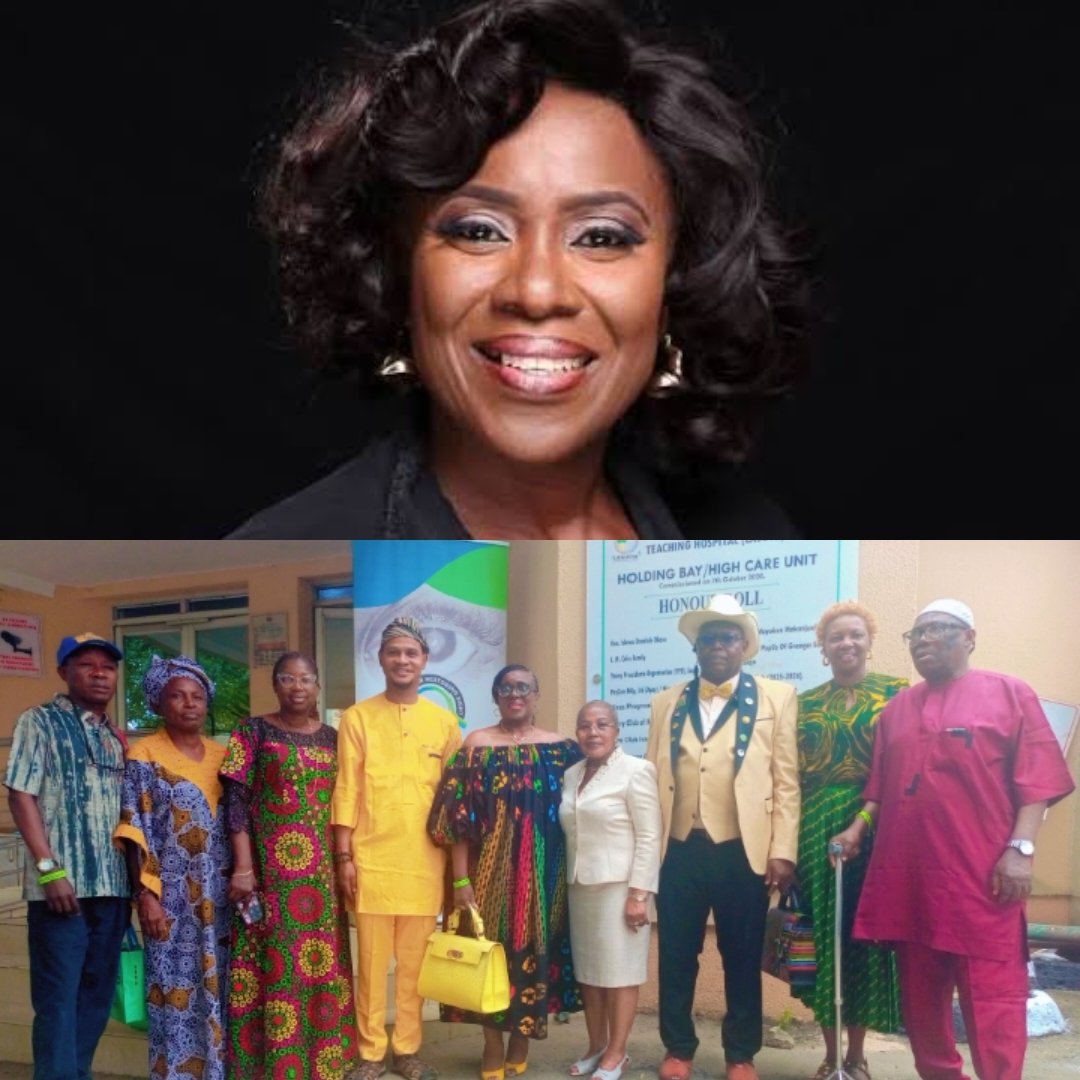
The Eye Bank for Restoring Sight in Nigeria, has unveiled veteran actress and cultural icon, Ms Joke Silva, as its brand ambassador, with a renewed call for Nigerians to embrace corneal donation and help restore sight to people living with reversible blindness.
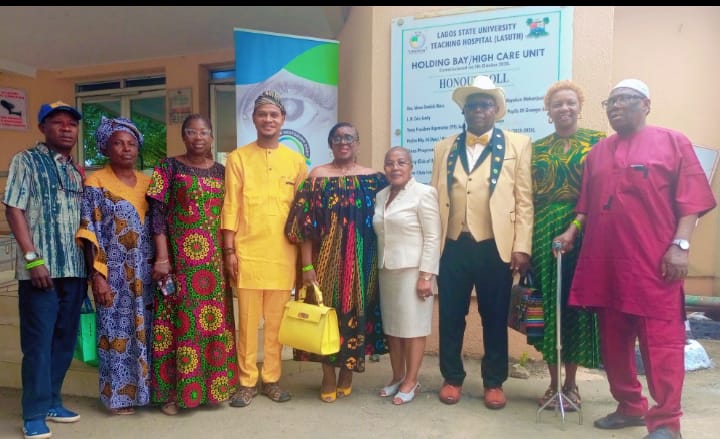
The unveiling ceremony, held on Thursday, August 20, 2026, at the Lagos State University Teaching Hospital (LASUTH) Eye Institute Complex, Ikeja, brought together medical professionals, beneficiaries, families of corneal donors, partners and media practitioners. The organisation’s campaign is anchored on its motto, “Never Ignore Restorable Blindness.”
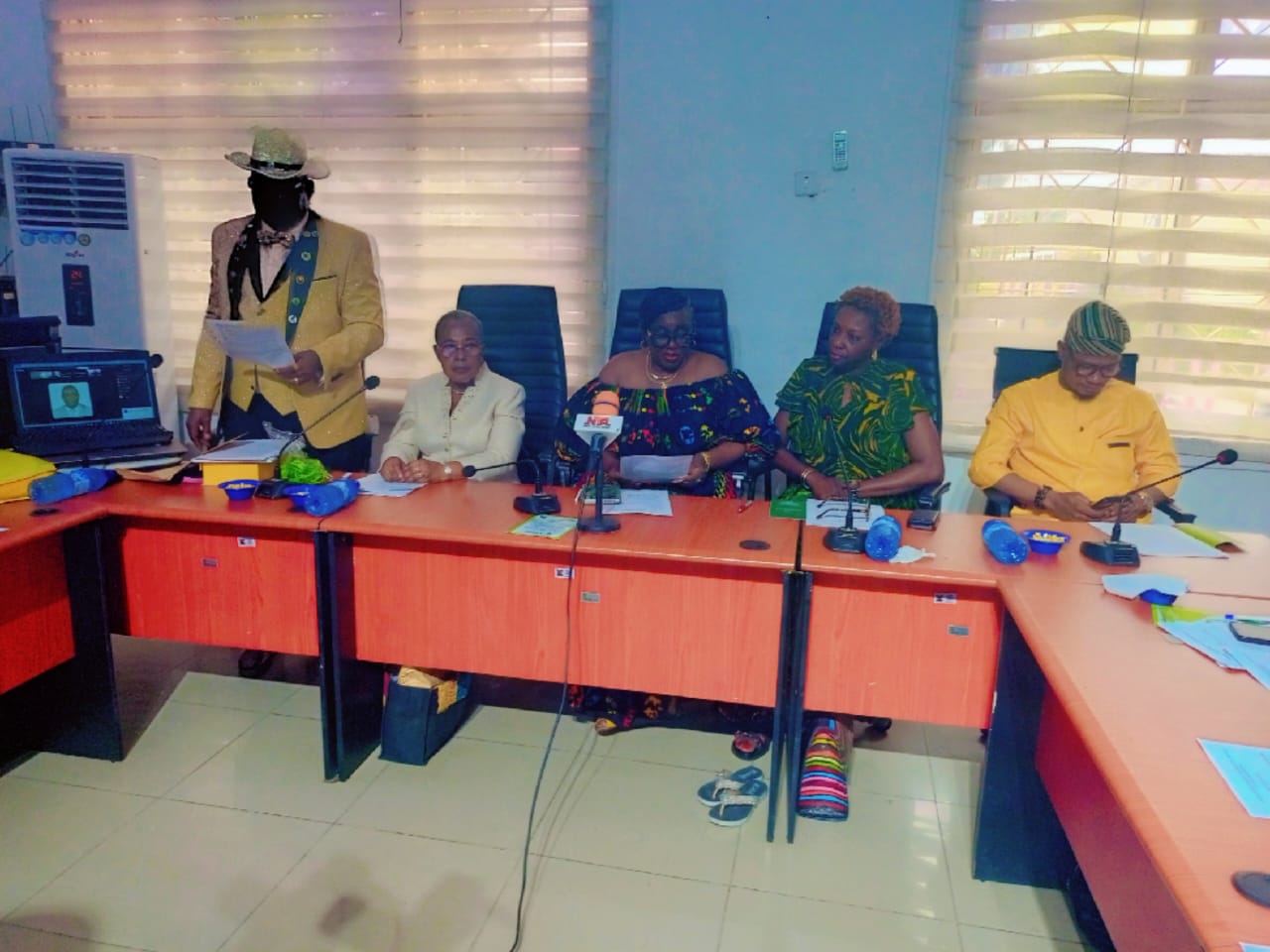
Speaking at the event, Chairman of the Board of Governors, Dr Festus Oshoba, described Silva as an appropriate choice for the advocacy campaign, citing her decades of influence in entertainment, culture and public advocacy. He said she had consistently used her platform to tell Nigerian stories and promote the country’s image, expressing confidence that her appointment would help amplify the message of corneal donation across Nigeria and beyond.
Oshoba explained that the Eye Bank is a non-profit organisation established to promote the donation, collection, preservation and distribution of transplantable corneas for people whose sight has been lost through corneal diseases or injuries. He said the organisation was established as a joint project of the Ophthalmological Society of Nigeria and the Federal Nigeria Society for the Blind, with legal backing from Nigeria’s eye donation framework and the National Health Act of 2014. He added that the organisation operates from the LASUTH Eye Institute Complex, with accommodation provided by the Lagos State Government.
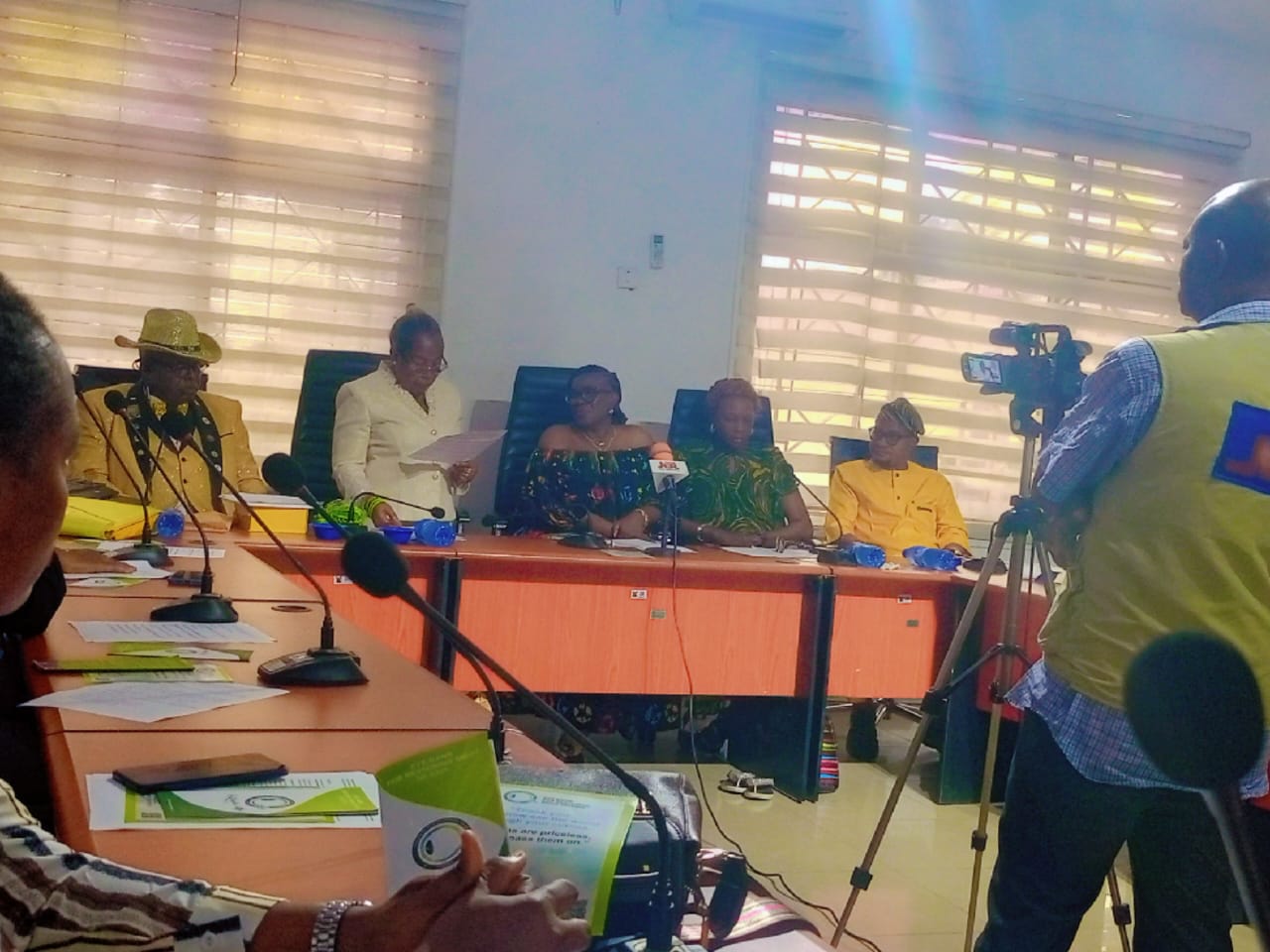
The Medical Director of the Eye Bank, Dr Mosunmade Faderin, said corneal blindness remains one of the reversible forms of blindness that can be treated through corneal transplantation. According to her, the Eye Bank has facilitated more than 95 successful corneal transplants, including procedures involving 19 children, but currently has more than 200 people on its waiting list. She stressed that the Eye Bank does not perform the transplant itself but facilitates the availability of donor corneas for qualified corneal surgeons while also supporting medical education, research and public awareness.
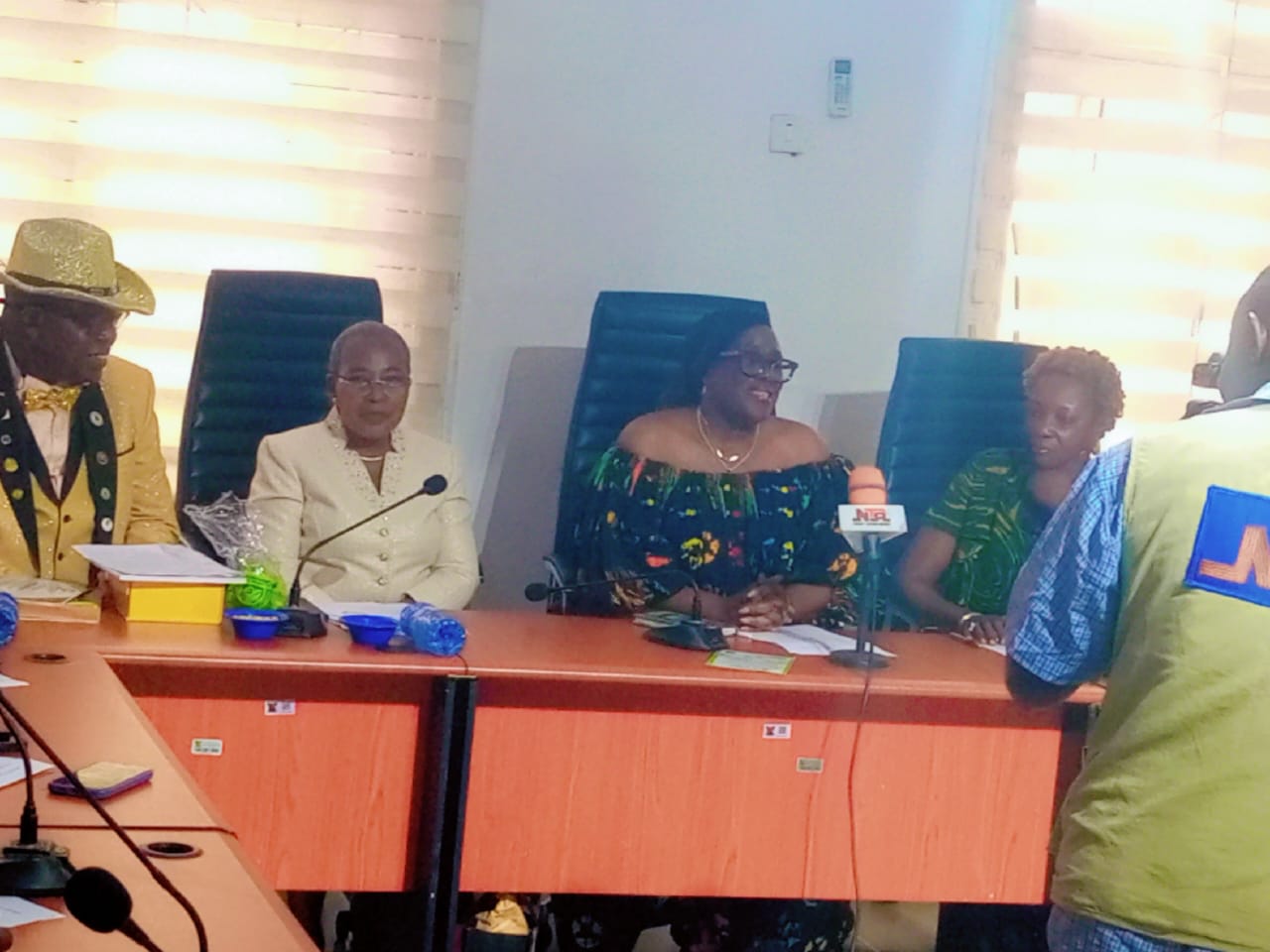
Faderin lamented the cultural and social misconceptions surrounding organ and corneal donation, saying many Nigerians remain reluctant to discuss donation because of their discomfort with death and fears surrounding the use of donated body parts. She explained that, for corneal transplantation, the transparent cornea at the front of the eye is harvested rather than the entire eye, and the procedure does not visibly disfigure the deceased. She urged people who have pledged their corneas to inform their families of their wishes, stressing that relatives must promptly contact the relevant medical authorities when the donor dies because corneal harvesting has to be carried out within a limited period.
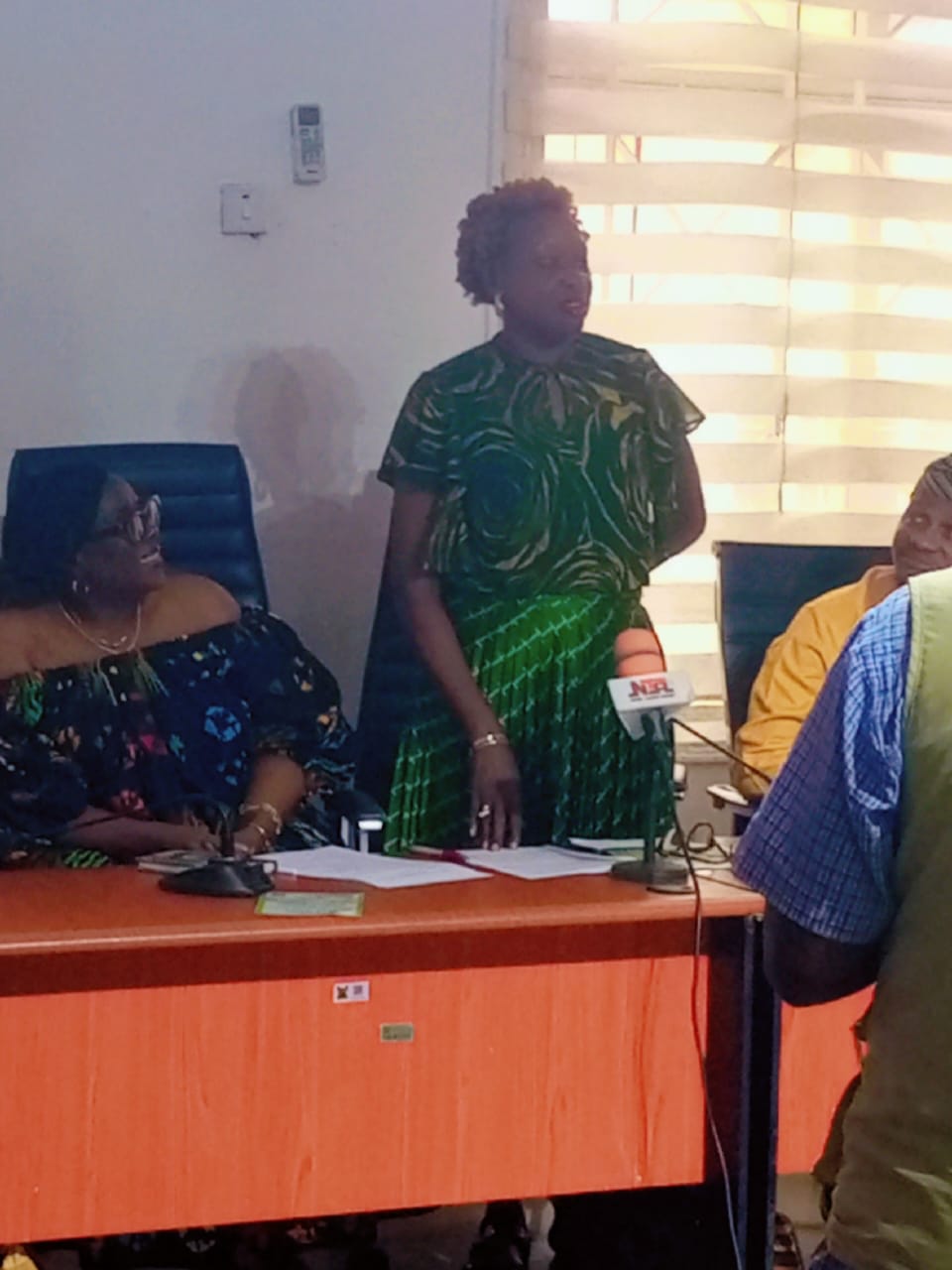
Mrs Fola Akande, Vice-Chairman of the Eye Bank and herself a registered corneal donor, shared a deeply personal experience to reinforce the importance of donation. Akande recounted how her mother, who died suddenly on September 24, 2012, had her corneas harvested within 18 hours of her death. Despite the emotional circumstances surrounding the loss, she said the family proceeded with the donation because it was an opportunity for part of their mother to continue giving life to others. According to her, the donated corneas were successfully transplanted and the recipients are still able to see. She said the experience transformed the family’s perception of donation, adding that all members of her family have since become donors.
Akande also urged beneficiaries of corneal transplants to speak openly about their experiences and help dispel the stigma associated with receiving donated tissues. She said people who regain their sight through corneal donation should become advocates for the cause by sharing their stories and demonstrating that the procedure is safe, beneficial and capable of changing lives. “It is teamwork,” she stressed, noting that the responsibility for promoting corneal donation should not rest solely on the Eye Bank but should involve donors, recipients, families, medical professionals, the media and the wider public.
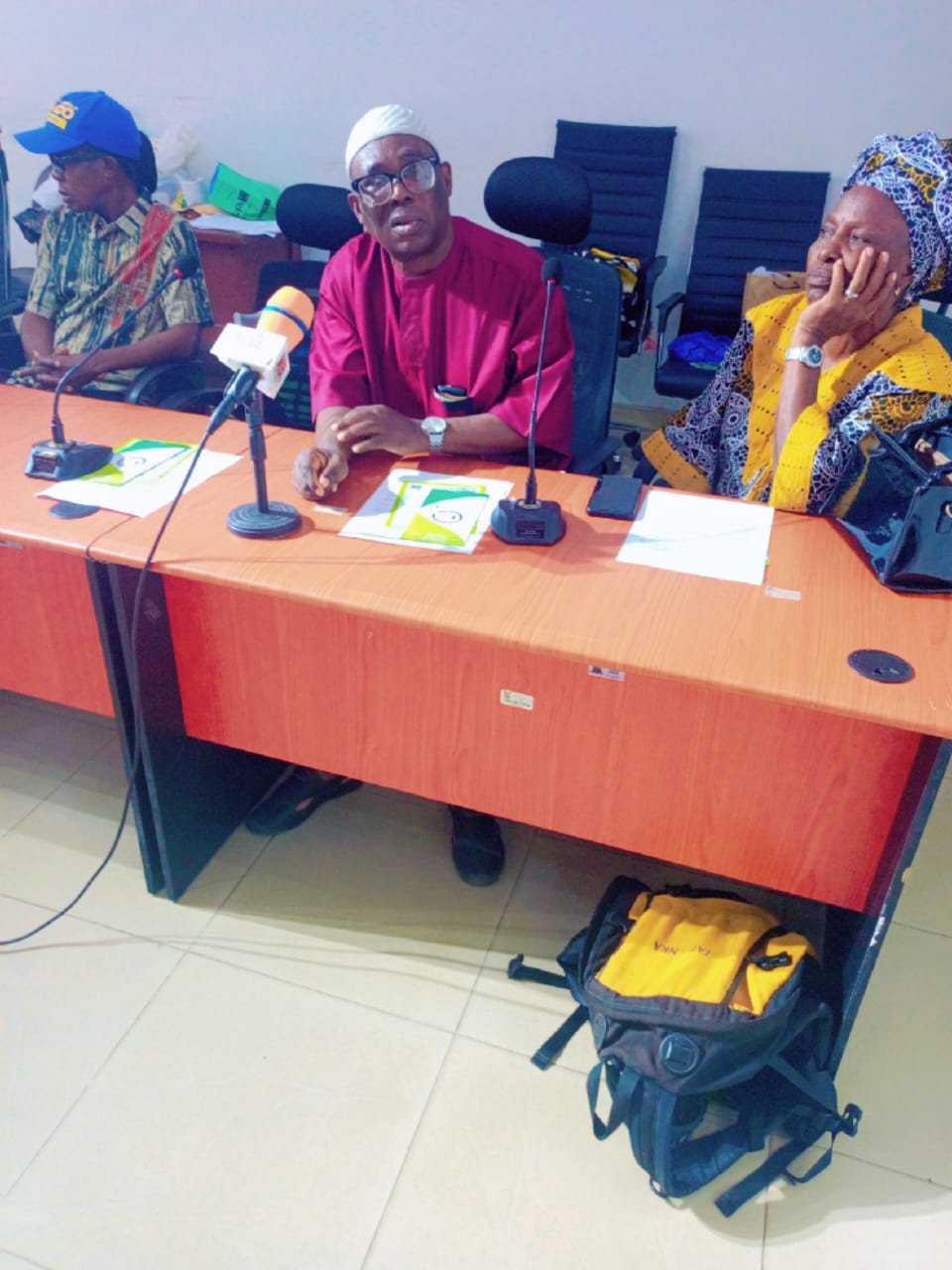
The event also featured testimonies from beneficiaries and families of Nigerian corneal donors. One beneficiary, Abisade Oguntibeji, recounted how severe corneal disease left him unable to perform basic daily activities before he underwent a corneal transplant in 2022. He said his sight was restored following the procedure, enabling him to read, eat independently, move around without assistance and resume normal activities. He expressed gratitude to the medical professionals and the Eye Bank, noting that the availability of a functional eye bank in Nigeria would reduce the need for Nigerians to travel abroad in search of corneal transplants.
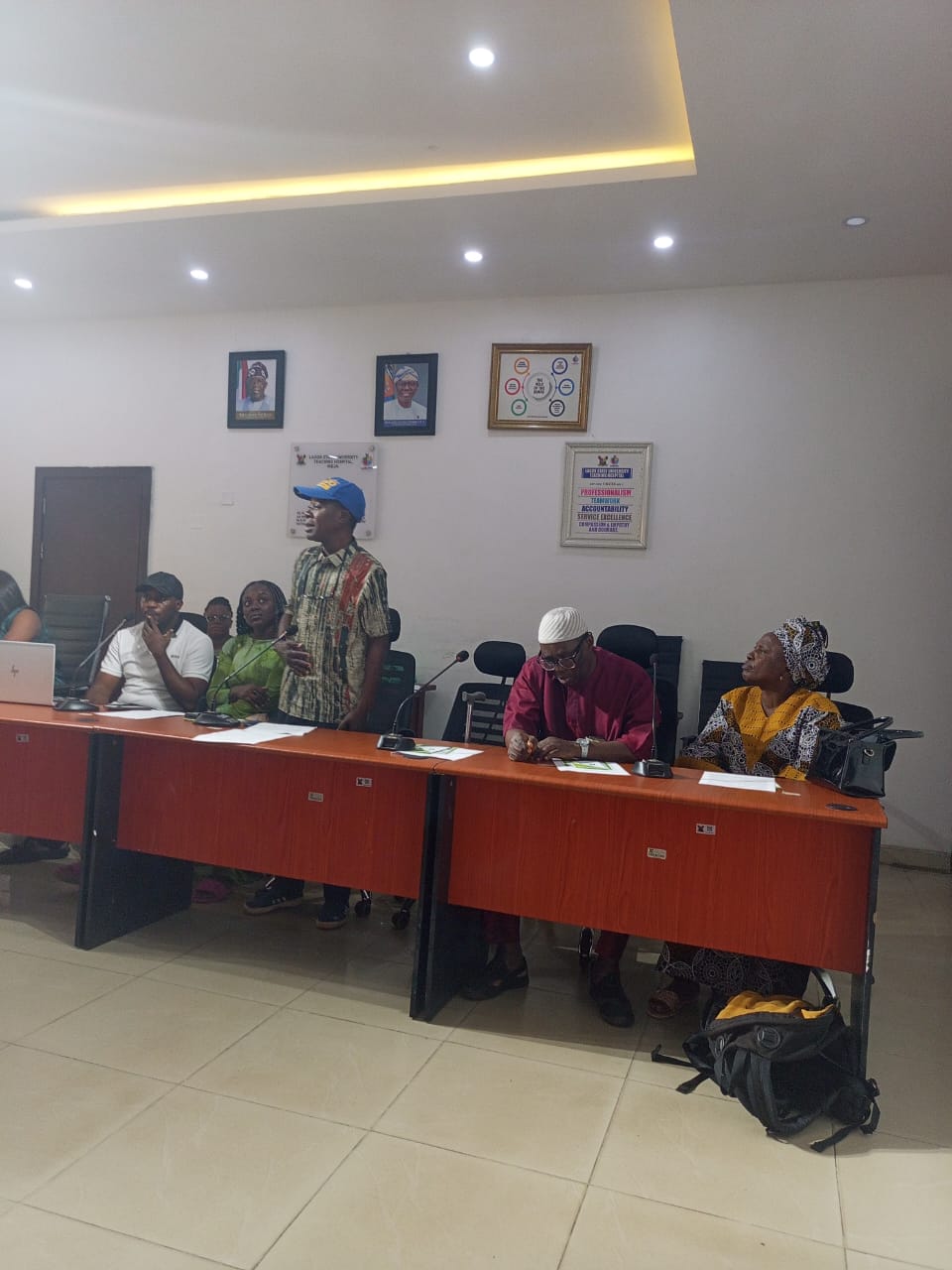
Another emotional testimony came from Kunleola Sodipo, whose brother was assassinated in 2010 after pledging his corneas in his will. Sodipo said the family initially faced legal and emotional challenges before his brother’s wishes were eventually honoured. The two corneas were harvested and subsequently used for two recipients, whom members of the donor’s family later met. He said the experience convinced his family corneal donation was a meaningful way for a person to continue helping humanity even after death.
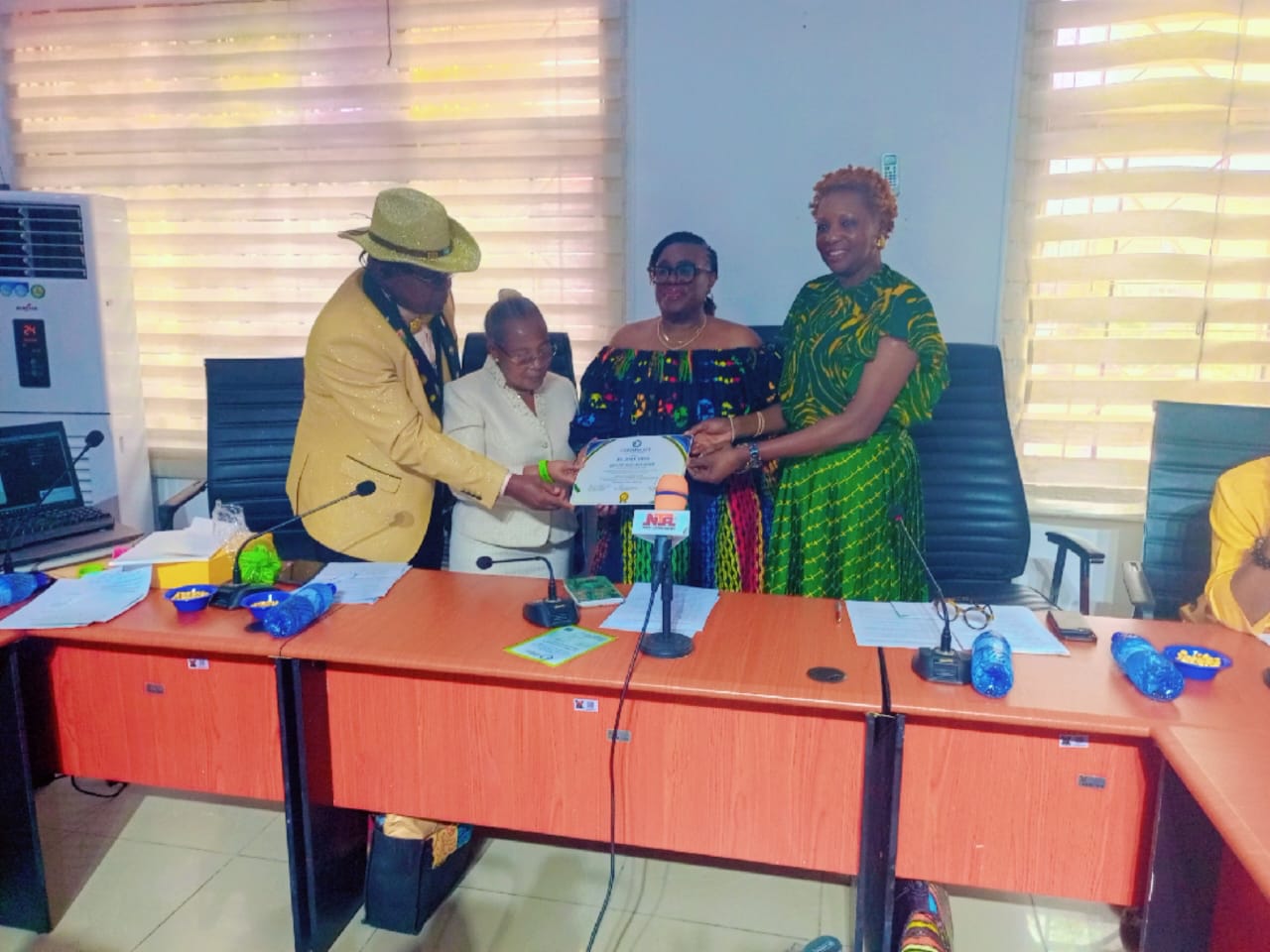
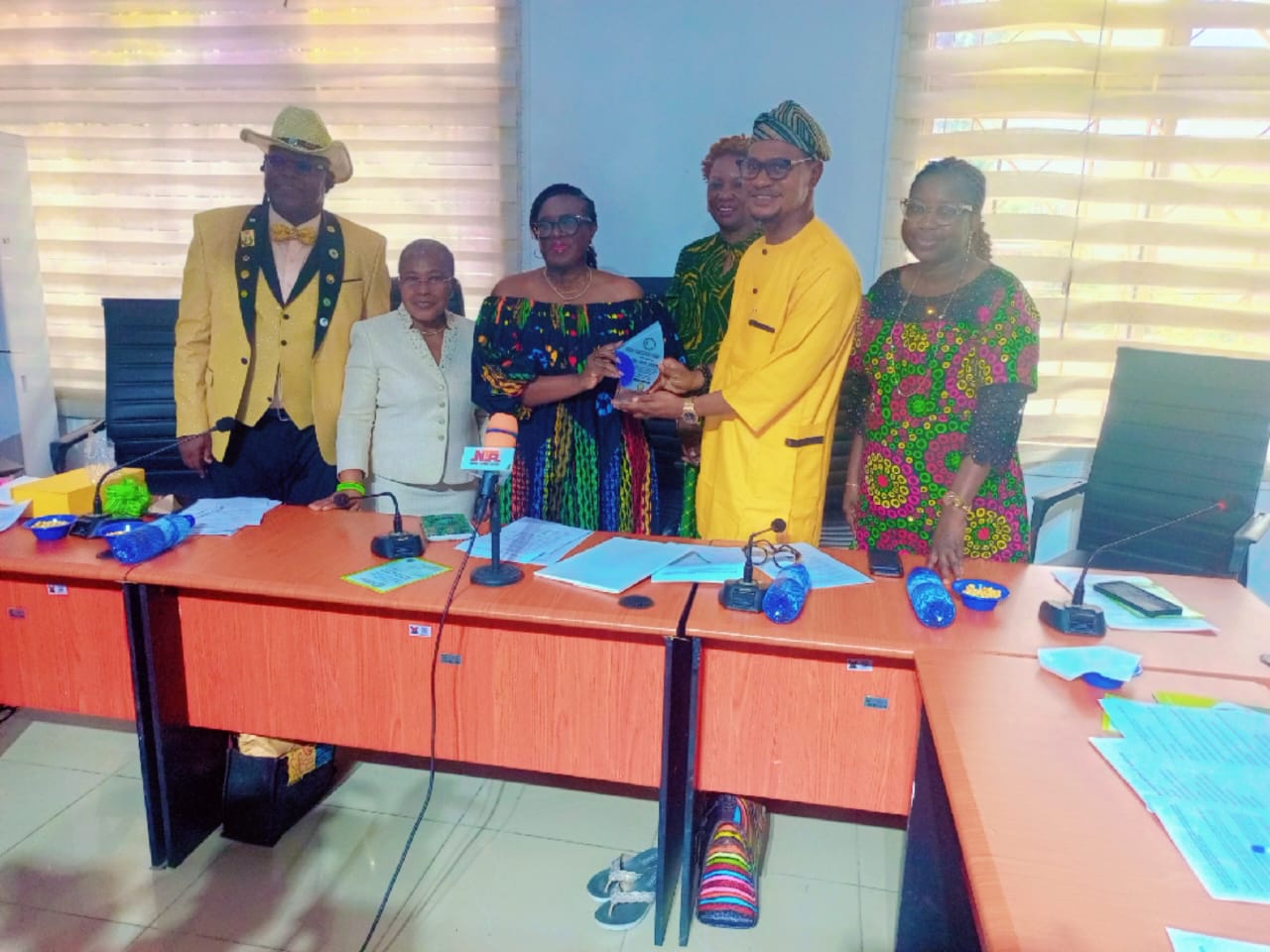
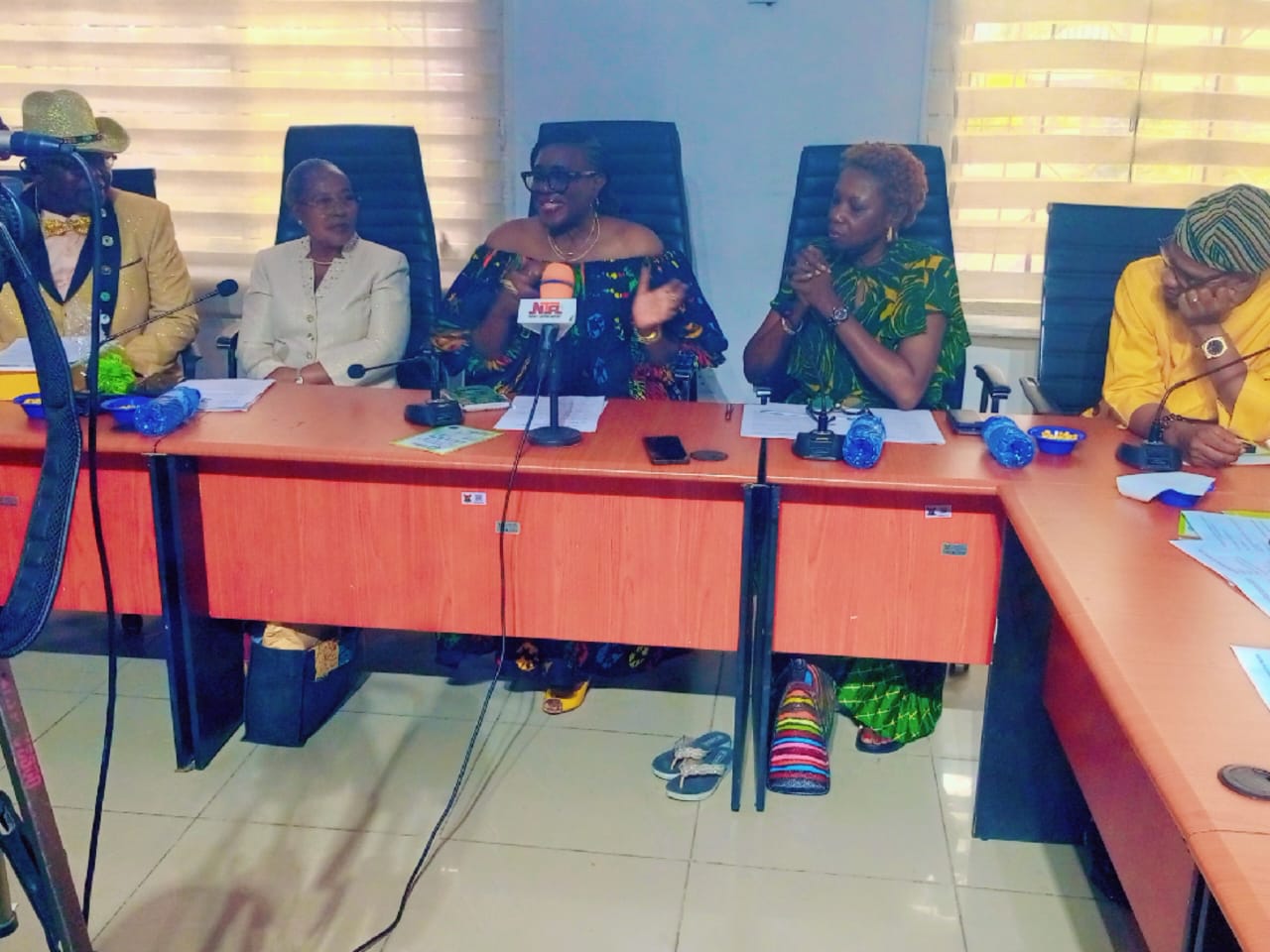
Speaking after her unveiling, Ms Joke Silva said she accepted the ambassadorial role because restoring sight was a cause capable of improving lives without requiring donors to make financial sacrifices. She urged Nigerians, particularly influential people with large platforms, to join the campaign and use their voices to educate the public. Silva said culture must evolve with changing times, stressing that Nigeria should develop the capacity to address its healthcare challenges instead of depending excessively on other countries for resources that could be developed locally.
Dr Mosunmade raised concerns about preventable causes of corneal blindness, particularly among children, identifying eye injuries, infections, inflammations and harmful traditional practices as major contributors. Faderin warned against the use of substances such as battery acid, urine, onion preparations and other unverified remedies in treating eye problems, stressing that such practices can cause permanent damage to the cornea. She urged parents, teachers and communities to seek qualified medical attention whenever eye problems occur.
Also in attendance were Dr. Bamidele Ayodele, Deputy Chairman, Medical Advisory Committee (CMAC) and Chairman, Medical Advisory Committee of LASUTH, who represented the Chief Medical Director, Prof. Adetokunbo O. Fabanwo; Dr. Aborishade Lydia Mabinuola; and other medical professionals.
The organisation said its future plans include expanding donor registration and public advocacy nationwide, strengthening partnerships with LASUTH and other tertiary hospitals, establishing a corneal preservation and training centre, supporting research and securing international grants and technical assistance. It said it relies largely on donations from individuals, corporate organisations and philanthropists, with support from the Lagos State Government, Ophthalmological Society of Nigeria, Federal Nigeria Society for the Blind, Yoruba Tennis Club, Jagal Foundation and CMC Connect LLP. The Eye Bank called for sustained media support and public participation to make Nigeria self-sufficient in corneal procurement and transplantation and ensure that no Nigerian continues to suffer avoidable blindness because a donated cornea was unavailable.